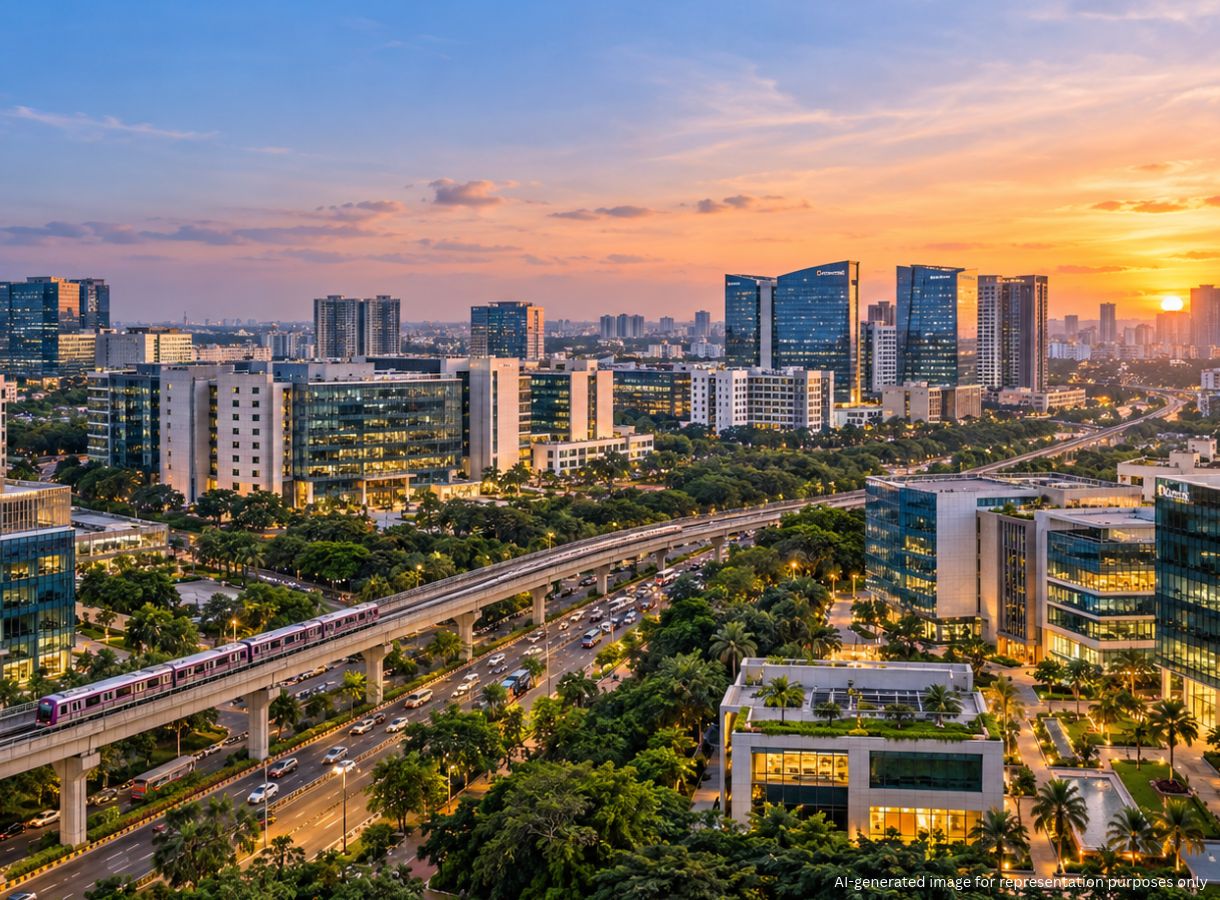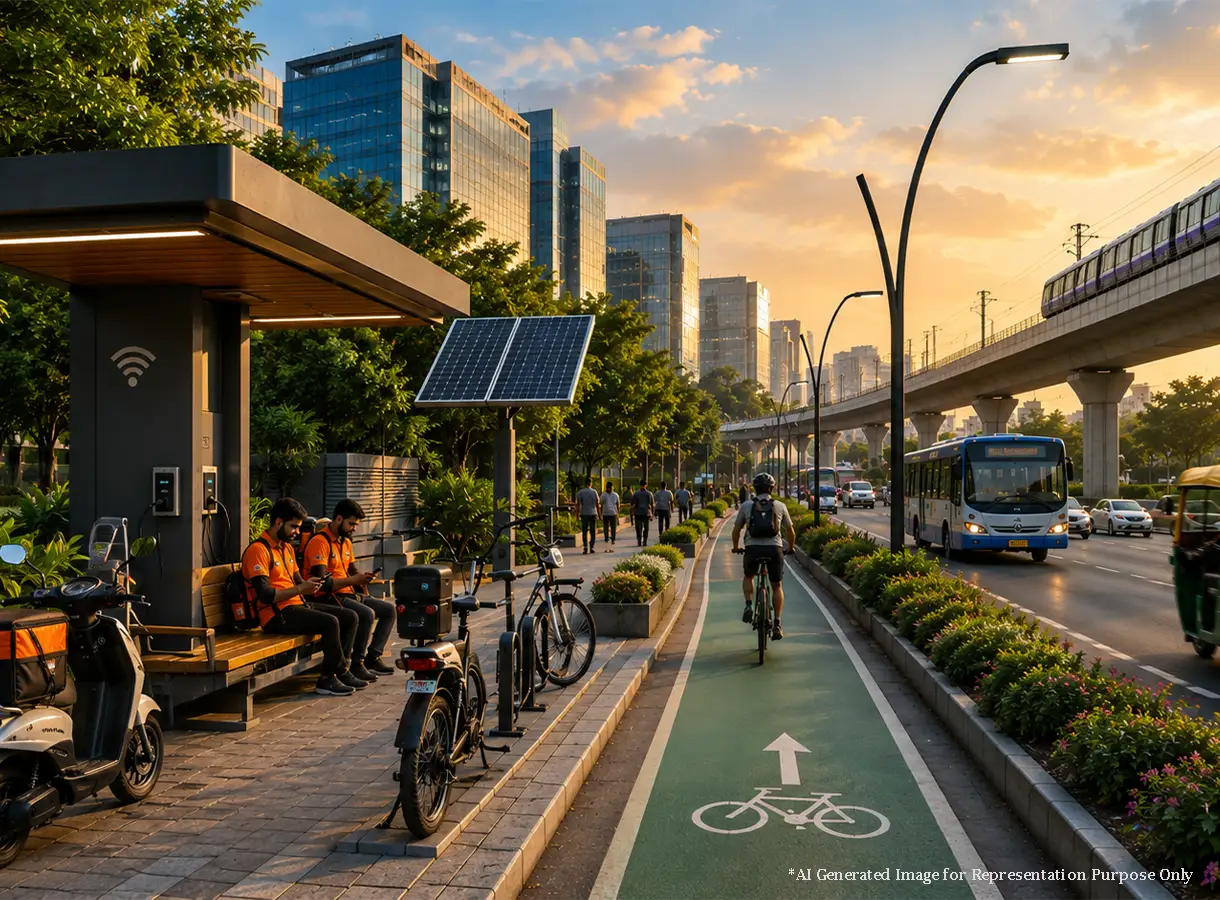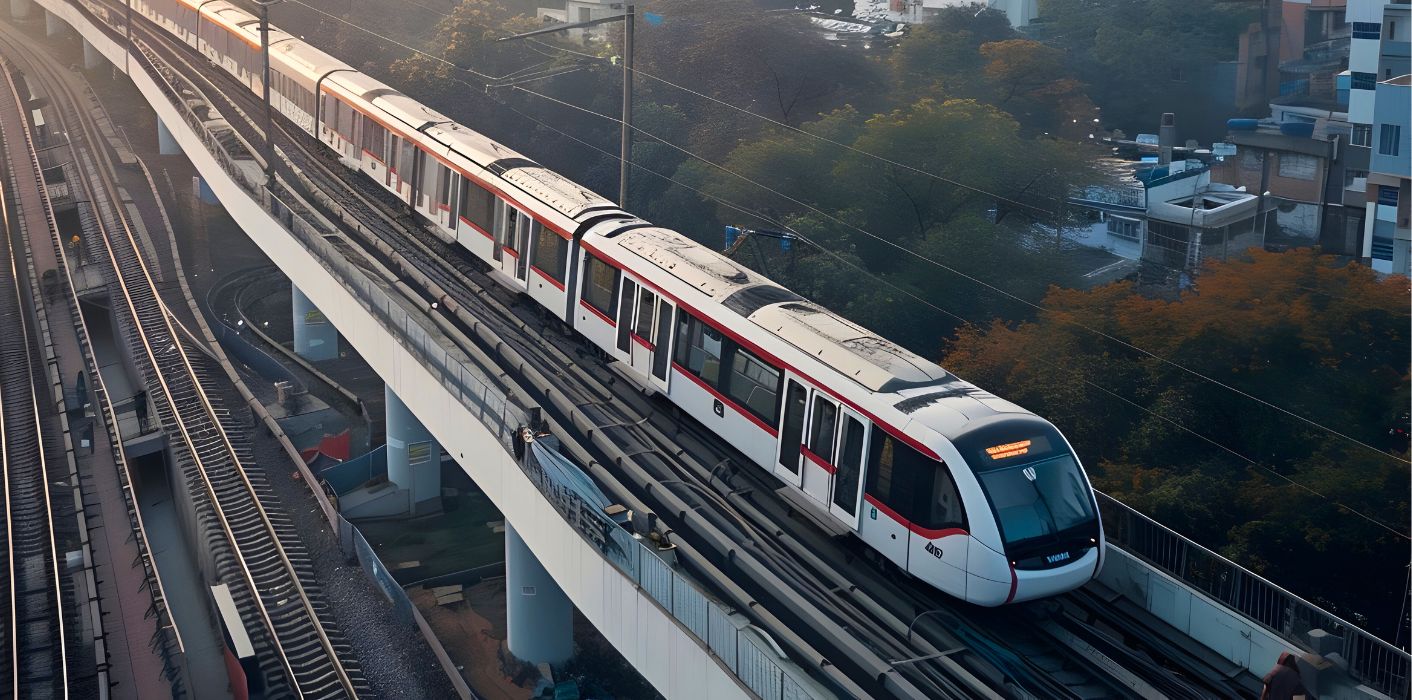
Bengaluru is set for a significant improvement in urban mobility during the 2026-27 financial year with the planned commencement of an additional 41 kilometres of the Namma Metro network. The expansion is expected to enhance public transport accessibility across important residential, commercial, and employment zones while supporting faster travel across the city. The extended network is also projected to serve around 15 lakh commuters every day, increasing the role of metro rail in Bengaluru's transport ecosystem.
The planned expansion includes the Pink Line between Kalena Agrahara and Tavarekere, covering 21.26 kilometres, and the Blue Line section connecting Silk Board Junction and K R Pura across 19.75 kilometres. The Pink Line is expected to become operational in phases, with an elevated section opening first before the underground section is completed later in the year. Similarly, the Blue Line corridor between K R Pura and Silk Board Junction is expected to be commissioned during the same period, improving east west connectivity and providing better integration with existing metro services.
Metro development is planned to continue beyond 2026-27 through phased expansion of the remaining Blue Line sections. The corridor connecting Hebbal and the airport is expected to follow, with another section between K R Pura and Hebbal planned afterwards. These future extensions are expected to improve access to major transport hubs, business districts, and residential areas while strengthening regional connectivity across Bengaluru.
The metro expansion is part of a broader urban development strategy focused on improving transport infrastructure and city accessibility. Alongside metro growth, road improvement projects, pedestrian infrastructure upgrades, junction modernisation, skywalk construction, water supply enhancement, and drainage development are also planned. These initiatives aim to create a more efficient transport environment by improving last mile connectivity and supporting safer movement for pedestrians and commuters.
With an existing metro system covering 95 kilometres, the addition of new corridors will further expand Bengaluru's rapid transit network and reduce dependence on road-based transport. Improved connectivity between residential neighbourhoods, employment centres, and key transit points can contribute to smoother daily travel and better urban mobility. As infrastructure projects progress in phases, the expanding metro network is expected to play an important role in supporting sustainable city growth and improving the overall commuting experience for residents.
1. How many kilometres of Namma Metro are expected to open during 2026-27?
An additional 41 kilometres of metro lines are planned to become operational during the financial year 2026-27.
2. Which metro corridors are included in the expansion?
The expansion includes sections of the Pink Line and the Blue Line connecting several important areas of Bengaluru.
3. How many commuters are expected to benefit from the expansion?
The planned metro extension is expected to benefit around 15 lakh passengers every day.
4. Will the Pink Line open all at once?
The Pink Line is expected to open in phases, with the elevated section planned before the underground section.
5. What is the long-term benefit of the metro expansion?
The expansion is expected to improve connectivity, reduce travel time, strengthen public transport, and support sustainable urban development.