Bengaluru is set to strengthen its long-term water infrastructure through the Cauvery Phase VI water supply project, an initiative designed to improve drinking water availability for rapidly expanding urban and peripheral areas. The project focuses on extending treated Cauvery water to growing residential and industrial regions that currently depend heavily on groundwater and private water supply systems. By expanding the city’s water network, the project supports sustainable urban development while addressing increasing demand.
The new phase is planned to provide treated drinking water to several urban local bodies and developing regions surrounding Bengaluru. Areas including Devanahalli, Hoskote, Nelamangala, Vijayapura, Chikkabanavara, Madanayakanahalli, Bashettihalli, and Hunasemaranahalli are expected to benefit from improved water connectivity. Major residential developments such as Kempegowda Layout and Shivarama Karanth Layout are also included within the planned distribution network. The expansion is intended to reduce dependence on groundwater sources and improve access to reliable piped water for a growing population.
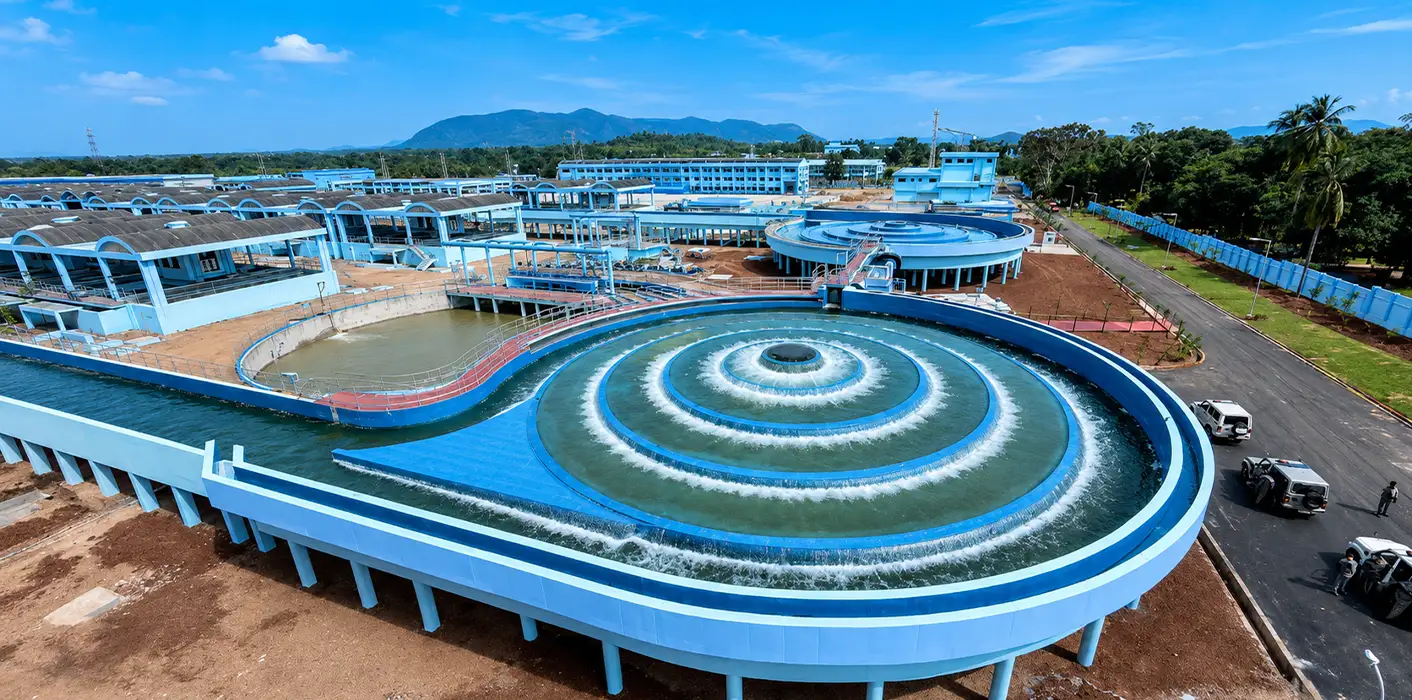
The project includes the construction of new pumping stations, water treatment facilities, balancing reservoirs, and transmission pipelines that will connect outer urban regions with the existing water supply network. Around 130 acres of land will be required for essential infrastructure, including reservoirs and service stations. The detailed project report has already been prepared, with implementation expected to proceed after land acquisition and tender processes are completed. The phased execution approach aims to support long term water distribution requirements while strengthening overall urban infrastructure.
Cauvery Phase VI builds upon earlier expansions of the city’s drinking water system and forms part of a broader effort to improve Bengaluru’s water security. The project is expected to support planned housing developments, industrial growth, and improved public services across peripheral regions. By increasing access to treated surface water, the initiative can help reduce pressure on borewells and encourage more sustainable water management practices. Strengthening water infrastructure also creates a stronger foundation for balanced urban expansion and improved living conditions in developing areas.
As Bengaluru continues to expand, reliable water infrastructure remains essential for supporting population growth and future development. The Cauvery Phase VI project reflects a long-term approach towards improving drinking water availability while enhancing environmental sustainability through reduced groundwater dependence. Once implemented, the expanded network is expected to improve resilience during seasonal shortages and contribute to a more dependable water supply system for surrounding communities, helping meet future urban needs through planned infrastructure development.
1. What is the objective of the Cauvery Phase VI project?
It aims to improve Bengaluru's water security by extending treated Cauvery drinking water to growing urban and peripheral areas.
2. Which areas are expected to benefit from the project?
Several surrounding towns and major residential layouts are planned to receive improved piped water connectivity.
3. What infrastructure will be developed under the project?
The project includes pumping stations, treatment plants, reservoirs, and transmission pipelines.
4. How does the project support sustainability?
It reduces dependence on groundwater by expanding the use of treated surface water for drinking purposes.
5. Why is Cauvery Phase VI important for Bengaluru's future?
It supports planned urban growth, improves water reliability, and strengthens long term infrastructure for a growing population.